Designing a Video Game Progress Tracker Cover: A Creative & Functional Guide for Gamers
Whether you're conquering open worlds, mastering boss fights, or completing every side quest in your favorite RPG, tracking your gaming journey adds meaning—and motivation—to the experience. A Video Game Progress Tracker cover design isn’t just decorative—it’s the first impression of your personal gaming log, blending creativity with purpose. This article explores what makes an effective cover design, why it matters, how to customize it, and how it fits into today’s digital and analog gaming culture.
What Is a Video Game Progress Tracker Cover?
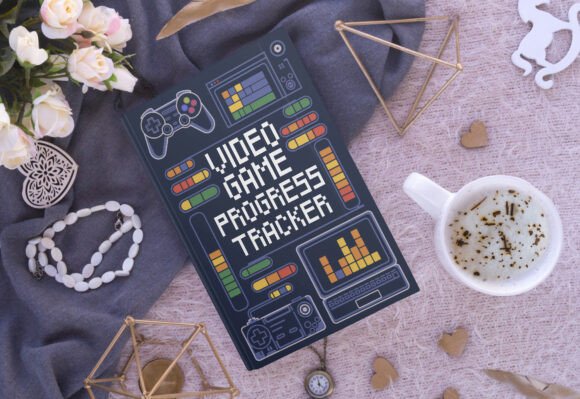
A video game progress tracker cover is the front-facing design of a printable or physical journal used to document gameplay milestones—such as completed games, achievements unlocked, hours played, story choices made, or even collectible items gathered. Unlike generic notebooks, this cover is intentionally themed around gaming culture: think pixel art characters, stylized game controllers, retro arcade cabinets, or iconic symbols like power-up mushrooms or health bars.
The design serves two core functions:
- Identity: It reflects the user’s personality, favorite genres (e.g., indie pixel platformers vs. cinematic AAA titles), and gaming values (completionism, storytelling, speedrunning).
- Functionality: It signals the tracker’s purpose at a glance—making it easy to identify on a shelf, in a digital folder, or during a gaming session.
Why Does the Cover Design Matter?
In an era where digital apps dominate progress tracking, many gamers are rediscovering the tactile joy—and cognitive benefits—of analog logging. Studies suggest that handwriting boosts memory retention and focus, especially when documenting intentional goals. But for that habit to stick, the tool must feel inviting. A well-designed cover transforms a simple notebook into something aspirational—a visual reminder of growth, dedication, and fun.
Think of it like album artwork: You wouldn’t judge a band solely by its cover—but a striking design draws you in, sets expectations, and builds emotional connection. The same applies here. A vibrant, gamer-centric cover encourages consistency, sparks joy before you even open the pages, and reinforces your identity as a thoughtful, engaged player.
Key Visual Elements That Define Great Covers
Top-performing Video Game Progress Tracker cover designs share common stylistic traits rooted in gaming aesthetics:
- Pixels & Retro Motifs: Pixel art borders, CRT screen glitches, or 8-bit fonts nod to gaming history while feeling playful and accessible.
- Controller & UI Icons: Subtle silhouettes of DualShock, Xbox, or Switch controllers—or stylized HP bars, XP meters, or “Game Over” text—add instant recognition.
- Bold, Dynamic Typography: Sans-serif fonts with tech-inspired edges (think neon outlines, circuit-board textures, or glitch effects) convey energy and modernity.
- Vibrant Color Palettes: Neon green, electric blue, deep purple, and hot pink aren’t just eye-catching—they echo classic arcade lighting, console branding, and digital interfaces.
Importantly, these elements work together—not as clutter, but as a cohesive visual language. A cover crammed with too many icons loses impact; one with balanced negative space and clear hierarchy feels premium and intentional.
How to Customize Your Own Tracker Cover
Luckily, you don’t need graphic design experience to make your tracker uniquely yours. Many ready-to-use templates—including the popular Video Game Progress Tracker Cover Design package—come with editable files built for flexibility and ease.
This particular design includes:
- 1 PSD file (Adobe Photoshop CC format): Fully layered and editable—swap colors, adjust text, insert your avatar or favorite character, or modify icon placement.
- 1 PDF file: Print-ready, non-editable version—ideal for immediate use if you prefer simplicity or lack design software.
- Standard 8.5×11 inch dimensions: Fits common printing services and binders, ensuring compatibility whether you’re printing at home or through a local shop.
- All files delivered in a single ZIP archive—no hidden extras or subscription requirements.
Customization tips for beginners:
- Start simple: Change only the title font or background color first—small tweaks yield big impact.
- Match your style: Love cozy indies? Try soft pastels and hand-drawn icons. Prefer competitive shooters? Go high-contrast with sharp angles and tactical motifs.
- Keep legibility central: Even with bold effects, ensure your tracker’s title remains readable at a glance—especially if you’ll be flipping through multiple logs.
Practical Uses Beyond Personal Logging
While most users create trackers for themselves, these covers also serve broader purposes:
- Educators & Game Design Instructors: Use themed trackers in classrooms to teach game mechanics, narrative structure, or UX principles—students engage more when materials feel authentic.
- Content Creators: Streamers and YouTubers often share “progress journals” as behind-the-scenes content—custom covers reinforce branding and viewer connection.
- Gaming Communities & Events: Conventions, local meetups, or Discord servers sometimes distribute branded trackers as swag—unifying members under shared visual identity.
- Mental Wellness Tools: Therapists working with neurodivergent clients have adopted gamified goal-tracking—where a joyful, familiar cover reduces resistance to self-monitoring routines.
Common Misconceptions—Clarified
Before wrapping up, let’s address a few assumptions that often trip up newcomers:
- “It’s only for hardcore gamers.” Not true. Casual players benefit equally—from remembering which Zelda game they loved most, to celebrating their first completed roguelike run.
- “Digital tools make printed trackers obsolete.” While apps offer automation, analog trackers provide screen-free reflection time, reduce notification fatigue, and support creative expression beyond checkboxes.
- “I need design skills to personalize it.” Modern templates are built for accessibility. Drag-and-drop edits in Photoshop—or even free alternatives like Photopea—make customization intuitive, not intimidating.
Bringing It All Together
A Video Game Progress Tracker cover design is far more than decoration—it’s a bridge between passion and practice. It honors gaming as both entertainment and craft, supports intentionality in play, and invites creativity into everyday routines. Whether you're logging your first 100-hour RPG or designing a custom cover for your gaming club’s annual challenge, the right design helps turn progress into pride.
And with resources like the editable PSD + PDF package—designed specifically for clarity, vibrancy, and usability—you’re not just buying a file. You’re investing in a tool that grows with you: adaptable, expressive, and authentically yours.
So go ahead—choose your colors, pick your icons, and start building a tracker that doesn’t just record your journey… but celebrates it.